


Written by Jörn Peter Thiessen
Casino VIP and player development specialist with 33+ years of land based and online gaming experience, including 2,000+ players personally hosted and 120+ VIP events and roadshows worldwide.
The High Roller Chronicles are based on Jörn's first hand experiences throughout his casino career. Some names and identifying details may be changed to protect privacy.
Methodology · · 18+
The VIP Legacy High Roller Chronicles
Chapter 12 — California to New York, 2005: When Casino VIP Loyalty Was Personal. October 13–29, 2005. San Diego, Newport Beach, Riverside, Palm Springs, Woodland Hills and Manhattan — dinners, feedback, an earthquake, and why recognition still beats another bonus.
Chapter 12 – California to New York, 2005: When Casino VIP Loyalty Was Personal
October 13–29, 2005
San Diego · Newport Beach · Riverside · Palm Springs · Woodland Hills · New York
Quick links: Series hub · Chapter 11 — Texas 2005 · Chapter 1 — California 2003 · Past VIP events · Meet Jörn
Going through my old roadshow reports, emails and photographs nearly 21 years later is quite an experience. Although so much has changed in the online casino industry since 2005, some of the memories come back almost immediately.
This roadshow took Carla and me through Southern California before we eventually crossed the country and finished the trip in New York. Along the way, we met casino VIP players in San Diego, Newport Beach, Riverside, Palm Springs, Woodland Hills and Manhattan — usually over lunch or dinner — and the meetings gave us an opportunity not only to discuss their casino experience but also to get to know them properly.
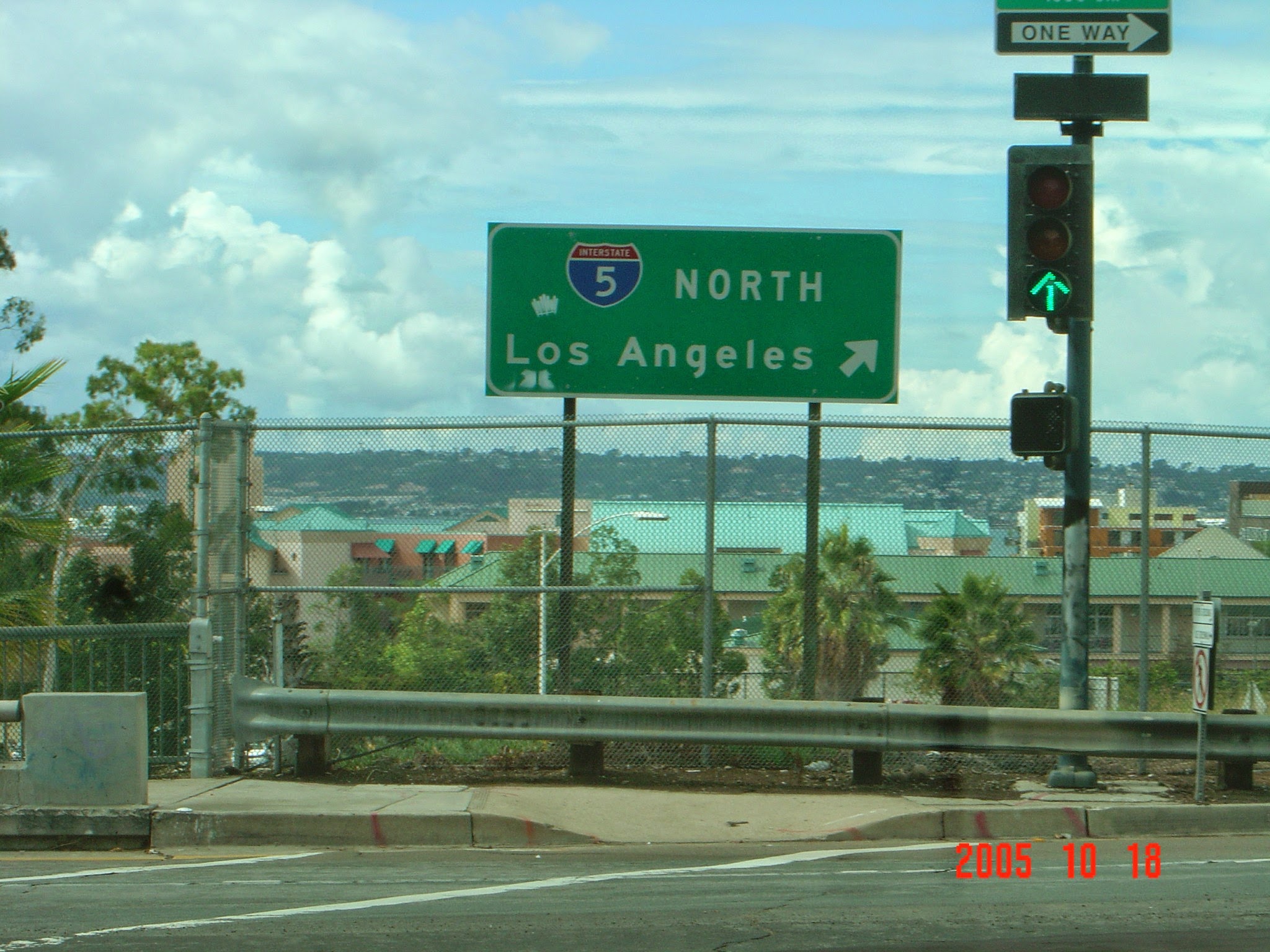
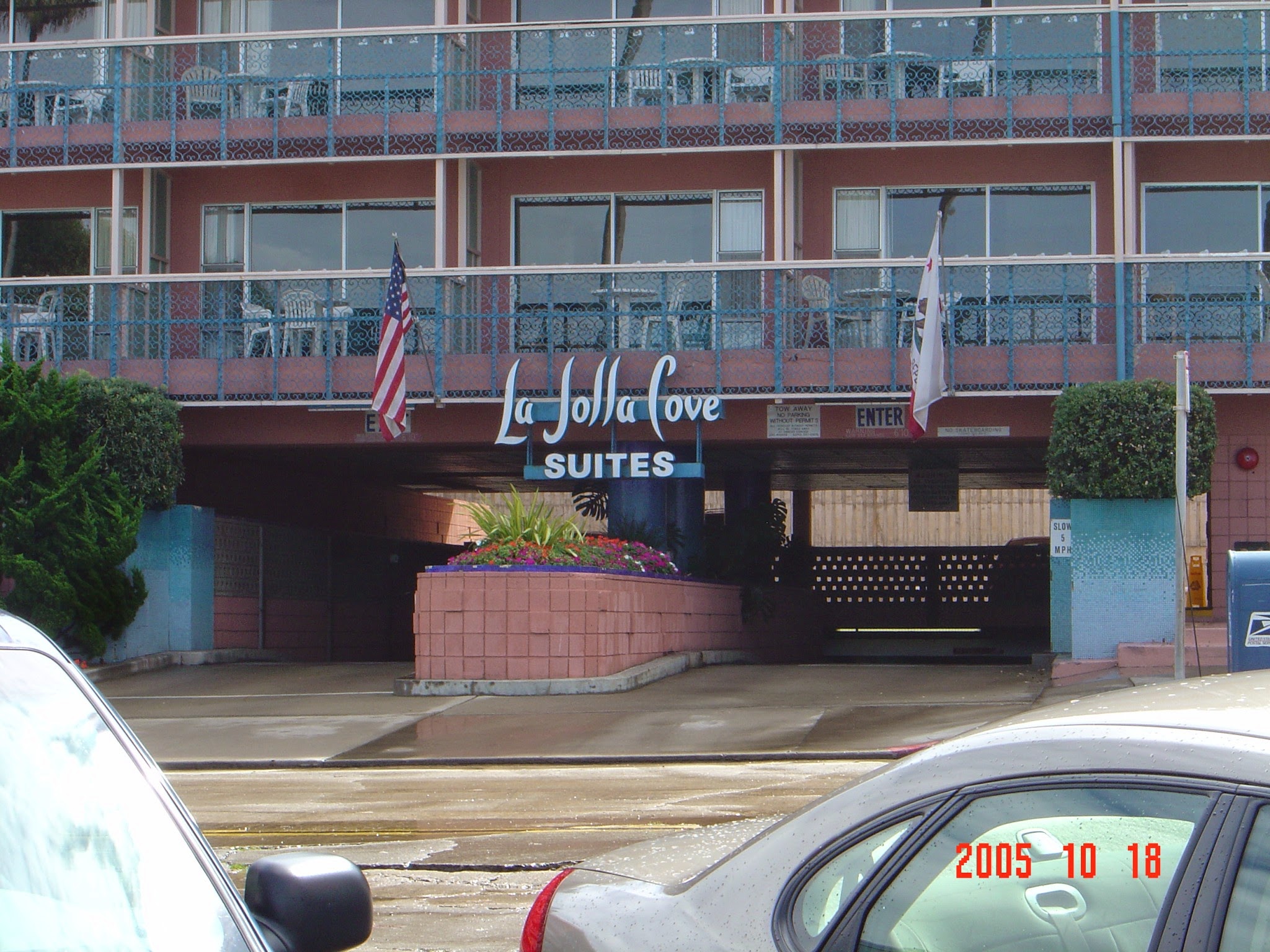
We had some fantastic dinners, plenty of laughs, interesting characters and a huge amount of useful feedback — plus one experience in San Diego that certainly wasn't on the itinerary: a 5.4 magnitude earthquake while we were staying at the hotel.
I still remember exploring the Gaslamp Quarter during that part of the trip. Looking through the photographs now genuinely feels as though it happened only a few years ago, not more than two decades ago.
What interests me most, however, is reading the original post-roadshow report and seeing how much of the feedback we received in 2005 is still relevant to casino VIP management today.
The technology has changed beyond recognition, but the basic principles of looking after valuable customers really haven't changed that much.
Ultimately, these trips were never only about casinos or how much somebody deposited.
They were about people.
What Was a Casino VIP Roadshow?
At the time, I managed VIP relationships for a large online casino group, and the roadshows became one of the most valuable ways to take a relationship that started online and turn it into something much more personal.
On this trip, we had meetings scheduled with 13 VIP players, but only one player couldn't attend because of an unexpected business commitment.
The format was actually very simple. We would meet the player, usually together with their partner or sometimes a friend, have lunch or dinner and talk about their experience with the casinos I represented. If there were problems with an account, promotion, communication or anything else, we would discuss them and, wherever possible, try to resolve them.
The meetings were useful from a business point of view, of course, but that was never the whole purpose. I wanted to understand who the person behind the casino account was — what they enjoyed, what frustrated them, what they thought about our competitors, and what we could do differently to improve their experience.
One of the strongest messages in my post-trip report was that our VIP players genuinely appreciated the personal treatment they received, with one describing the company I worked for as being "a cut above the rest."
That was exactly what we were trying to achieve, because even then I believed that a good VIP programme should be about considerably more than simply giving the biggest player the biggest bonus.
It was about building relationships that gave people a reason to stay.
Saturday, October 15 — San Diego: Jodene
Our first meeting was with Jodene in San Diego, and because she had no casino problems to resolve, we could enjoy the evening and spend time getting to know each other.
Jodene was a sales manager at a car dealership and joined us with her boyfriend, Mike, who was also a musician. Looking back through my notes, I recorded all sorts of little details from the evening — including what they liked to drink, the food they enjoyed, their family and some of their interests.
Those details might seem insignificant when viewed through today's highly sophisticated CRM systems, where operators can analyse enormous amounts of player data. For me they were an important part of understanding the customer.
I didn't just want to know how much somebody deposited, what games they played or when they last logged into their account. I wanted to know something about the person I was dealing with, because the better you know somebody, the easier it becomes to communicate naturally rather than treating every conversation as another casino transaction.
After the trip, Jodene sent us a lovely message saying she had a great time and thanking us for everything — which was always rewarding to receive, because it showed the evening meant something to the player as well.

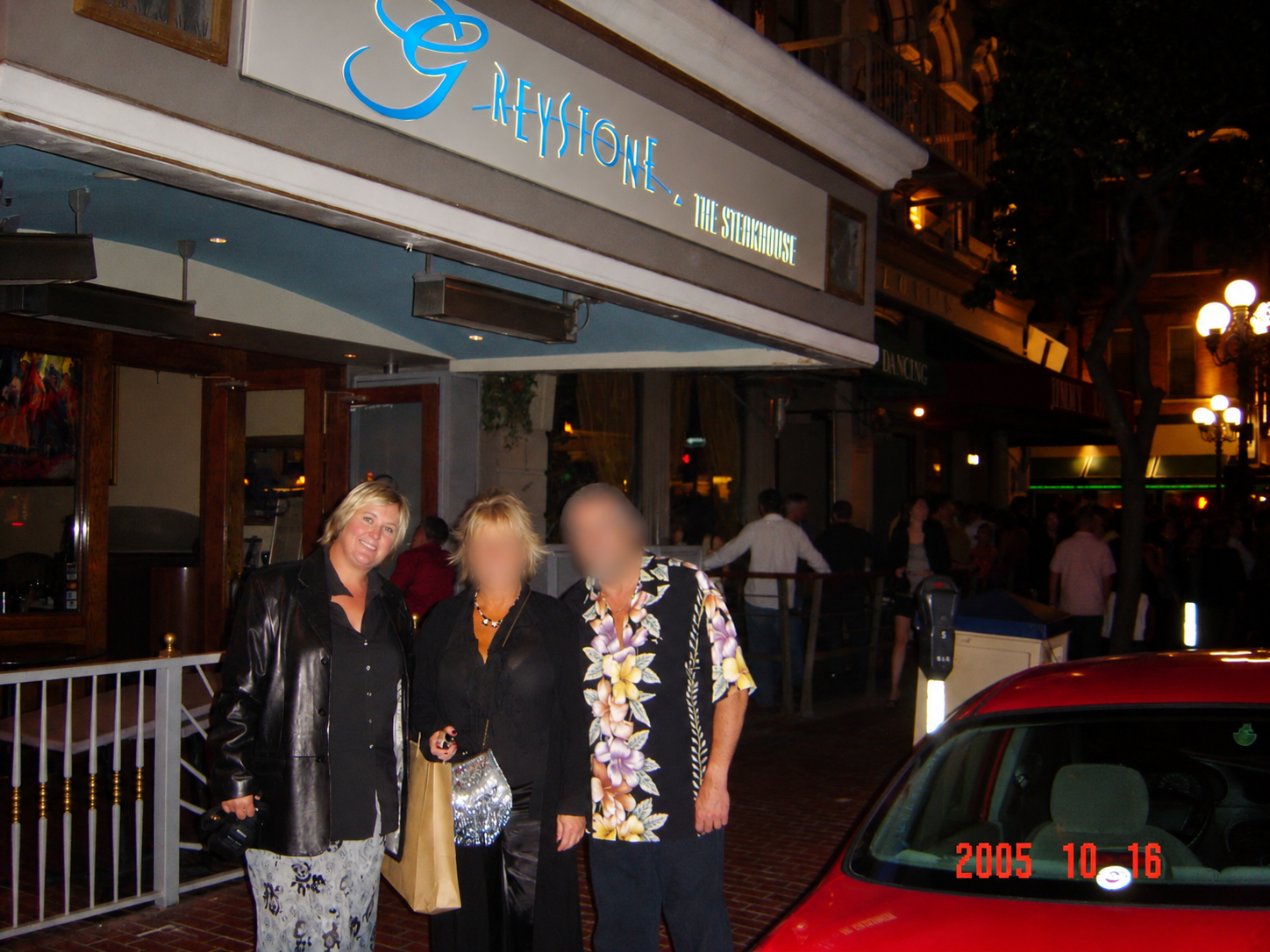
Sunday, October 16 — San Diego: Jarry
The following evening we met Jarry, who played with the casinos I represented and only one other online casino group, yet told us that he had never really had any meaningful personal interaction with staff from the other casinos where he played.
Jarry was a senior executive at a paint company and also a part-time musician, so there was plenty to talk about that had absolutely nothing to do with gambling.
What stood out in my notes was how appreciative he was that we had taken the trouble to invite him to dinner. He jokingly called it a very expensive dinner for us, but behind the joke was something I came across repeatedly during these roadshows: players appreciated being recognised.
I still believe recognition is one of the most undervalued parts of casino VIP management, because a valuable player does not necessarily need another bonus every time you communicate with them. Sometimes they simply want to know that the company understands who they are and appreciates their business.
There is a considerable difference between recognising a player's financial value and making that player feel valued.
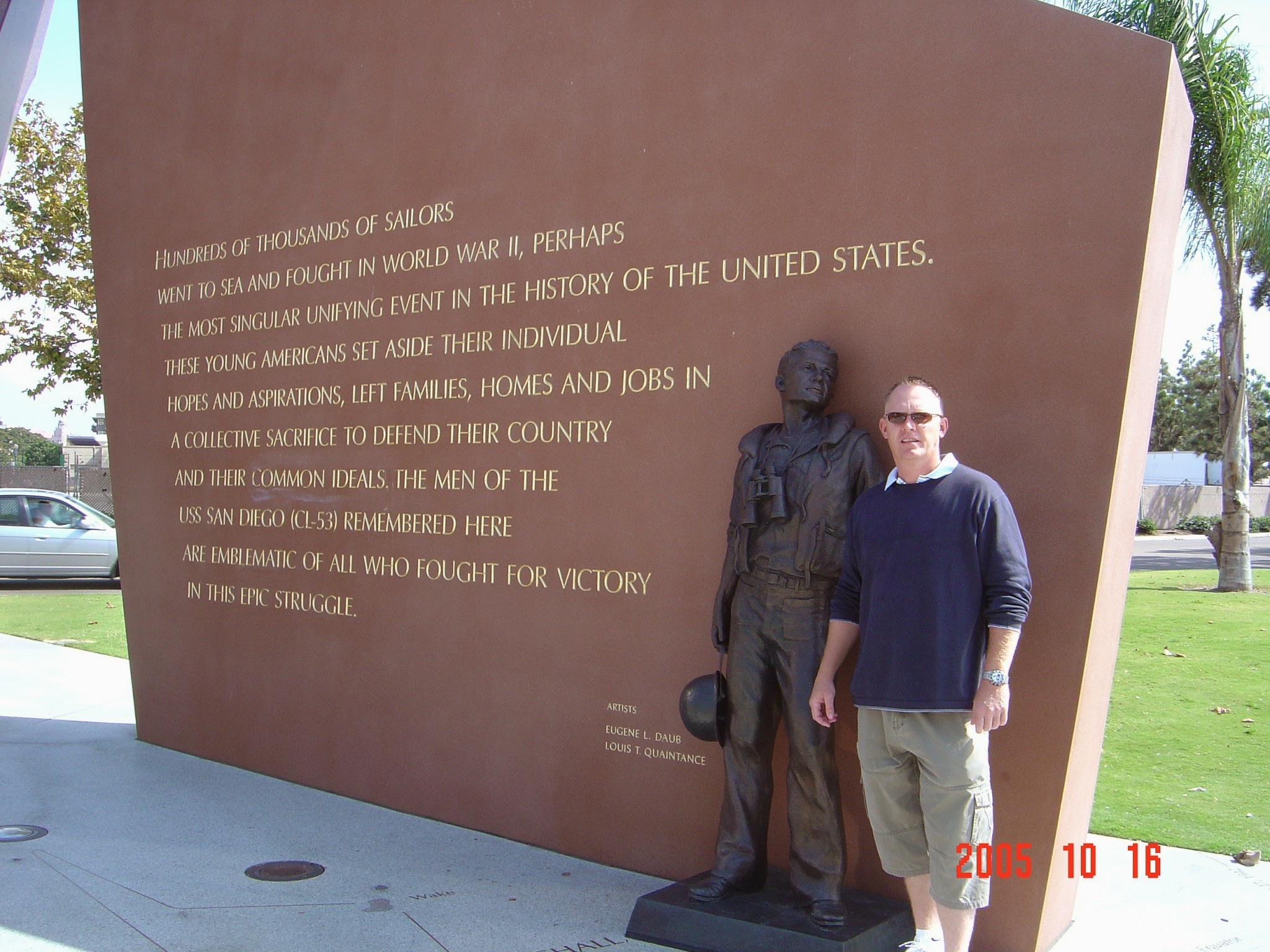
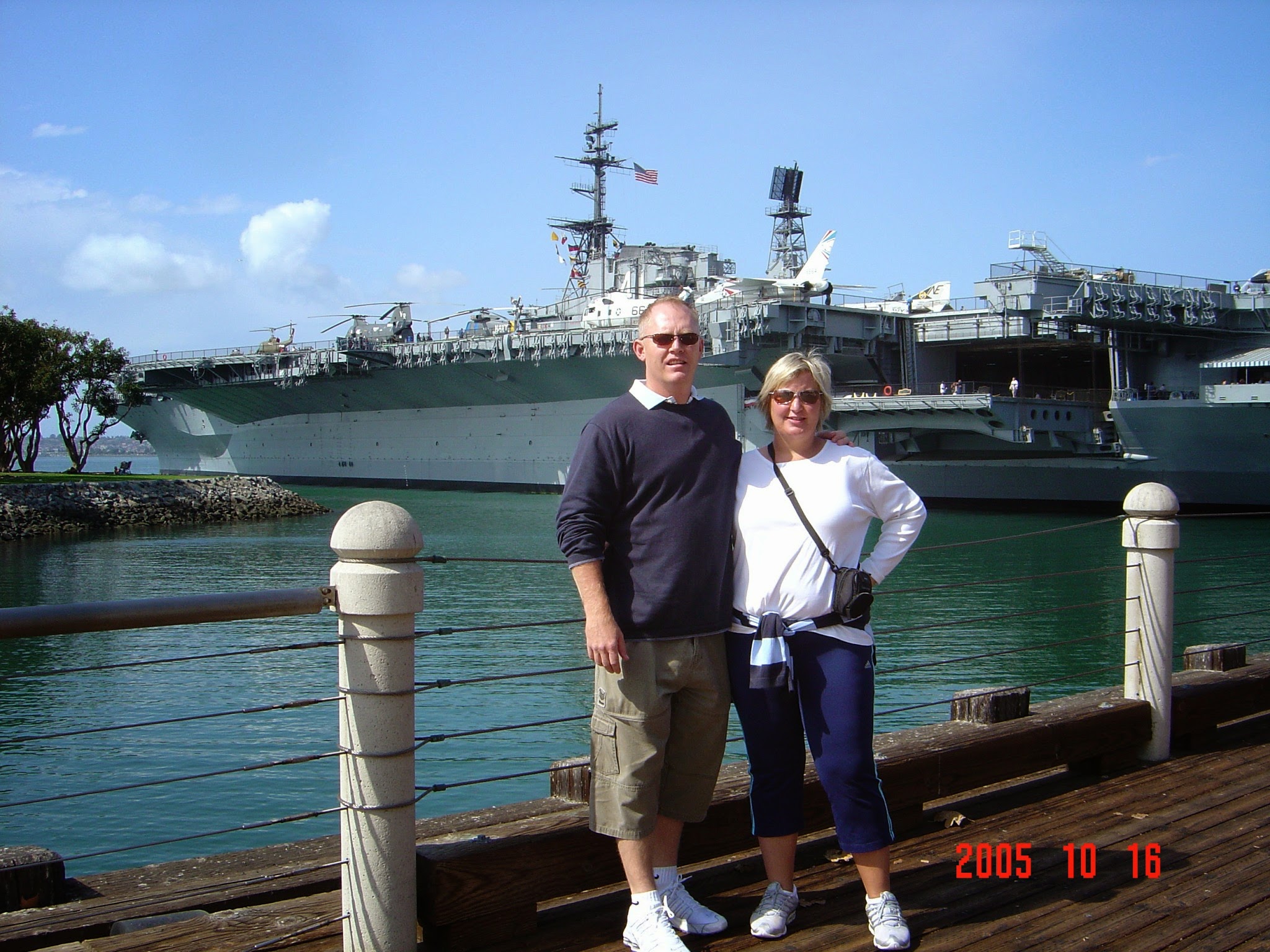
A bit of sightseeing that day.

Monday, October 17 — San Diego: Bradley
Bradley joined us the following day and had no major casino issues to discuss, but during our conversation he mentioned something one of our competitors was doing that immediately caught my attention.
They were giving away a BMW, and Bradley was one of approximately 70 finalists who had been invited to Miami — with expenses paid — for the final draw.
I found that fascinating because it reinforced something that appeared repeatedly in my roadshow feedback over the years: players liked the opportunity to win something tangible and memorable.
Another percentage bonus could disappear into a casino account and be forgotten a few days later, whereas a television, sound system, holiday, car or memorable experience had a completely different emotional value.
In my post-roadshow report, I suggested that the company I worked for consider running an incremental wagering competition for our top 200 VIP players, with genuine prizes at the end rather than simply another casino credit.
It was an idea that came directly from listening to the players — and even in 2005 they were effectively telling us something that I think many loyalty programmes still forget today.
If you are going to reward loyalty, make the reward feel special.
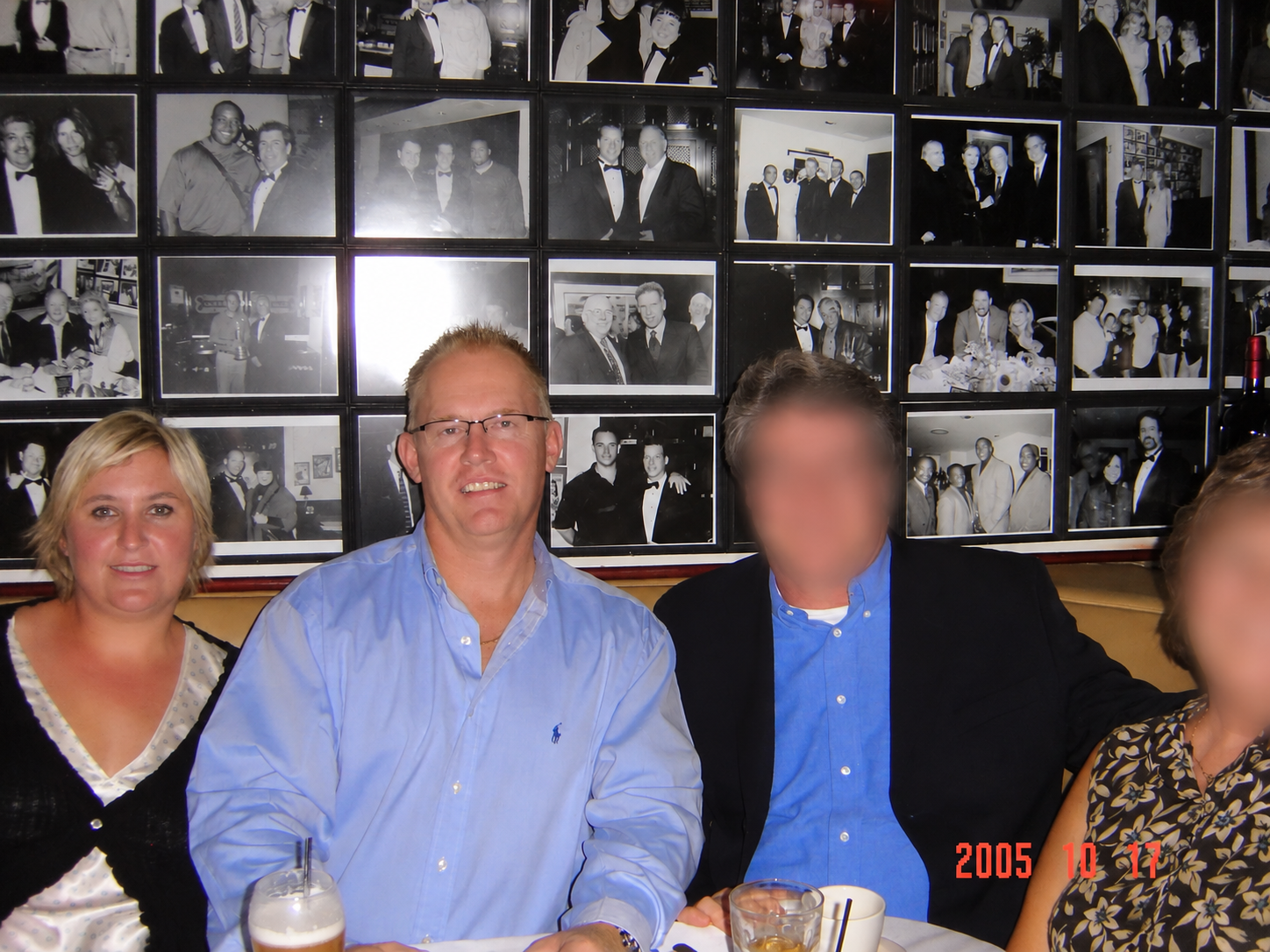
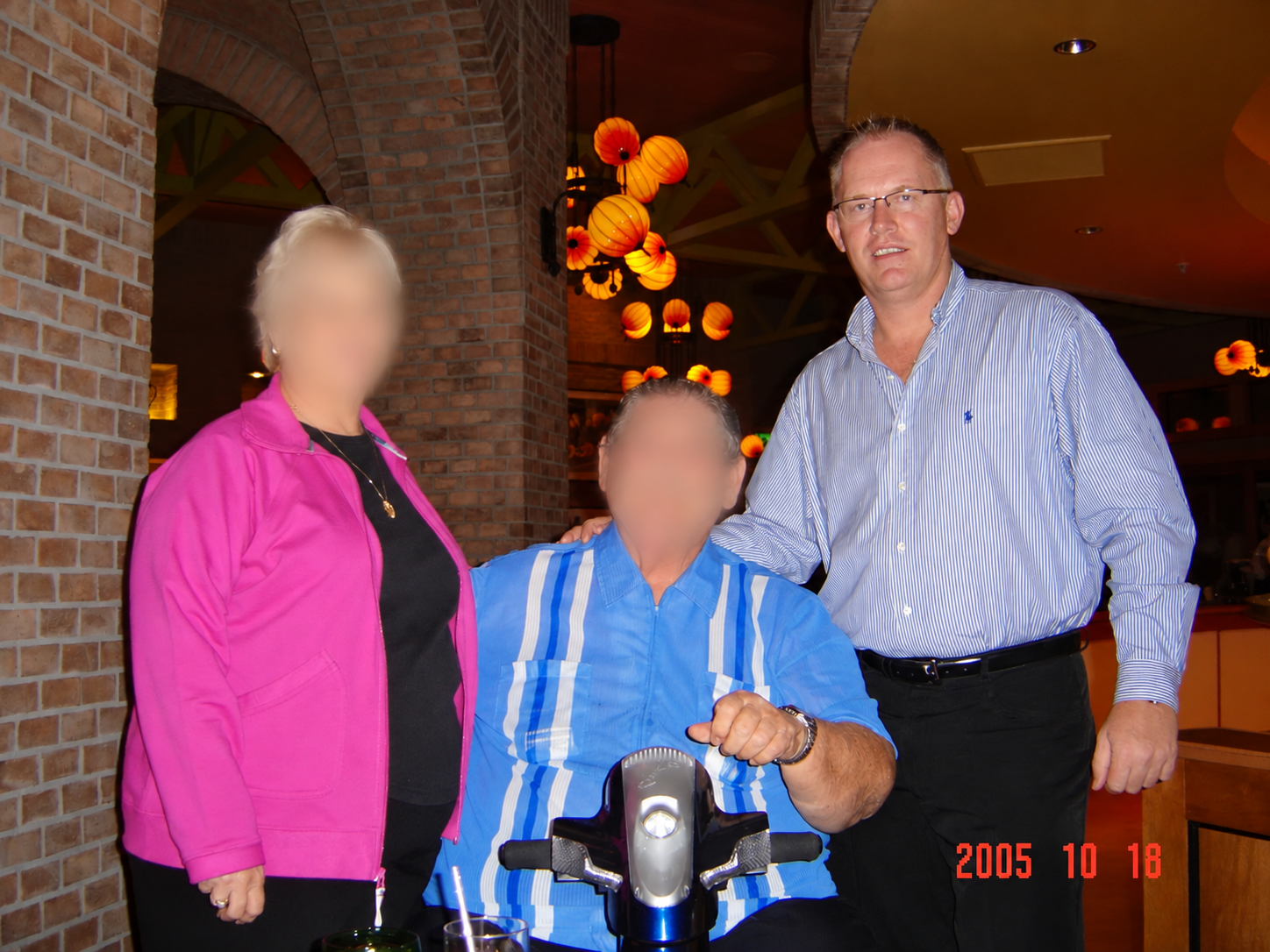
Tuesday, October 18 — Sun City: Milton
Milton had a completely different story and was one of those people you remember because there was much more to the conversation than his casino activity.
He came from a large family and had spent 22 years serving in the Navy before later working for the Riverside civil service. His real passion, however, was woodwork, carvings and collecting shells — and during dinner he spoke about his collection with so much enthusiasm that he invited us to his home the following day to see it for ourselves.
That invitation has always stayed with me because it demonstrated how these relationships could develop once you stopped treating somebody simply as a casino player.
We had travelled to California because Milton was a customer of the company I worked for, but within a short period of time he was comfortable enough to invite us into his home and show us something that was personally important to him.
For me, that is where VIP management becomes very different from ordinary database marketing.
A CRM system can tell you an enormous amount about a customer's gaming behaviour, but it cannot manufacture a genuine relationship between two people.
Wednesday, October 19 — Newport Beach: The Meeting That Didn't Happen
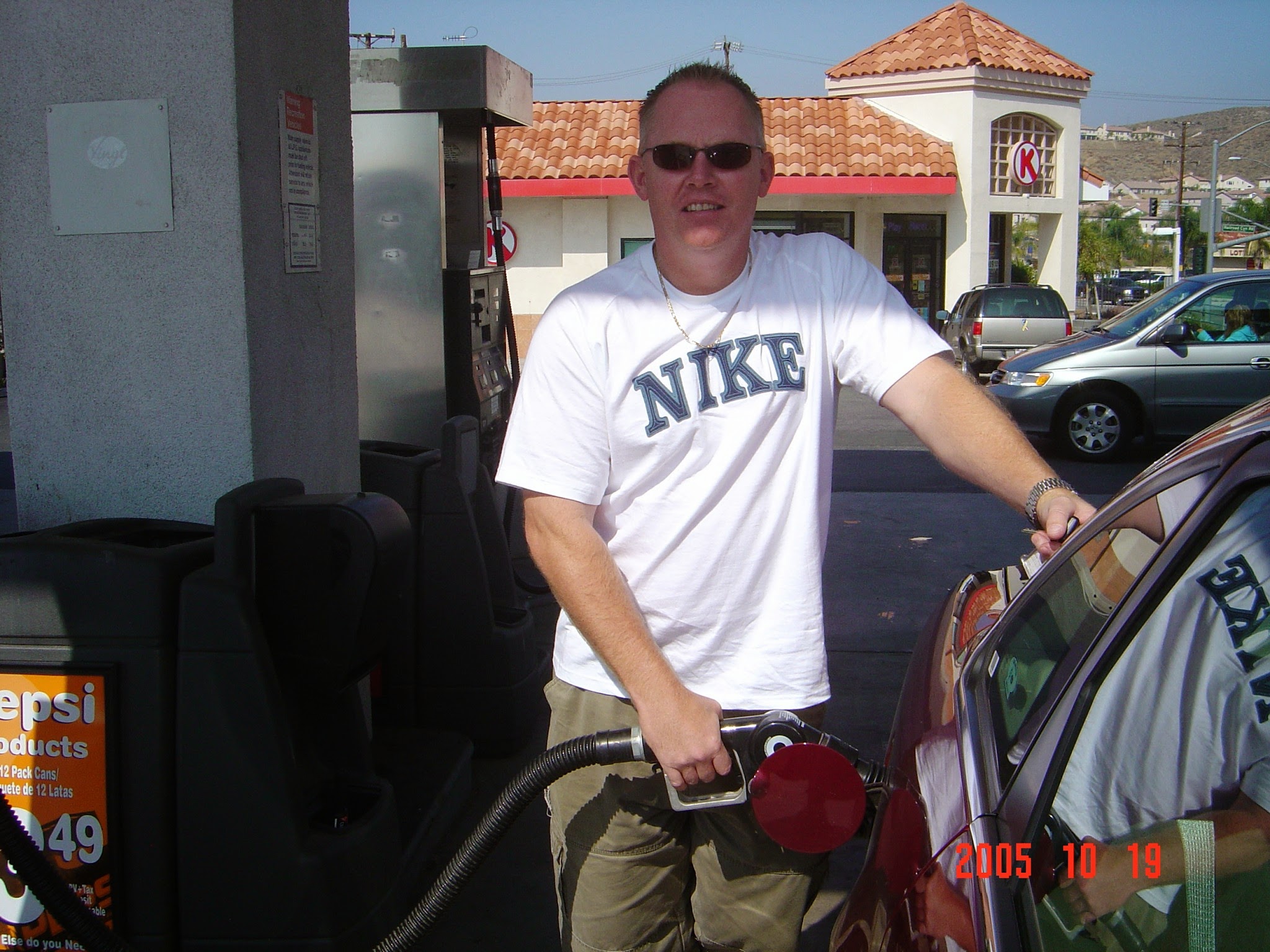
Not every meeting on a roadshow went according to plan, and Henry, who was due to meet us in Newport Beach, had to cancel because of an unexpected business commitment.
That was simply part of travelling to meet VIP players — particularly people who were running businesses or had busy professional and family lives.
It also reinforced something that I always tried to remember when managing high-value customers: the player's life does not revolve around the casino, and the host should therefore be flexible enough to work around the player rather than expecting the player to work around the host.
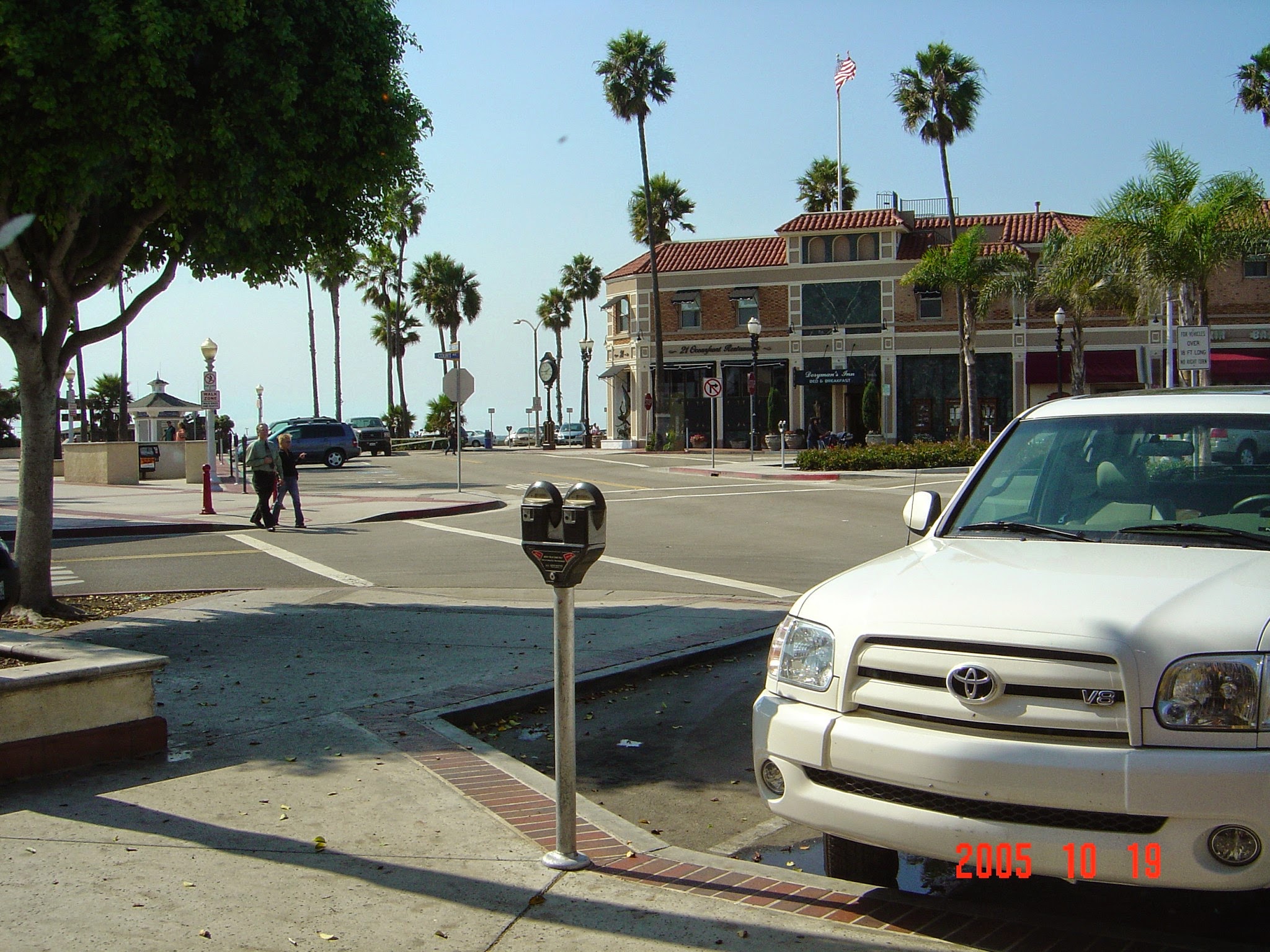
Thursday, October 20 — Newport Beach: James
James arrived with plenty of personality and had already told his friends that he had been invited to dinner with representatives of the online casino company he played with — which showed us that the invitation itself had some value to him.
He also happened to be a card counter, which naturally gave us plenty to talk about.
The dinner became memorable for another reason because James ordered some of the most expensive food available, hardly touched it and then asked to take the remainder home in a doggy bag.
Reading little details like that in my original reports makes me smile, because those are the things you tend to forget until you see them written down again 21 years later.
More importantly, James told us that he intended to tell his friends about the evening and how well he had been treated.
Today we would probably describe that as customer advocacy, referral marketing or word-of-mouth acquisition, and somebody would produce a presentation explaining its commercial value.
Back then, we simply thought of it as looking after the customer properly and hoping they told somebody about it.
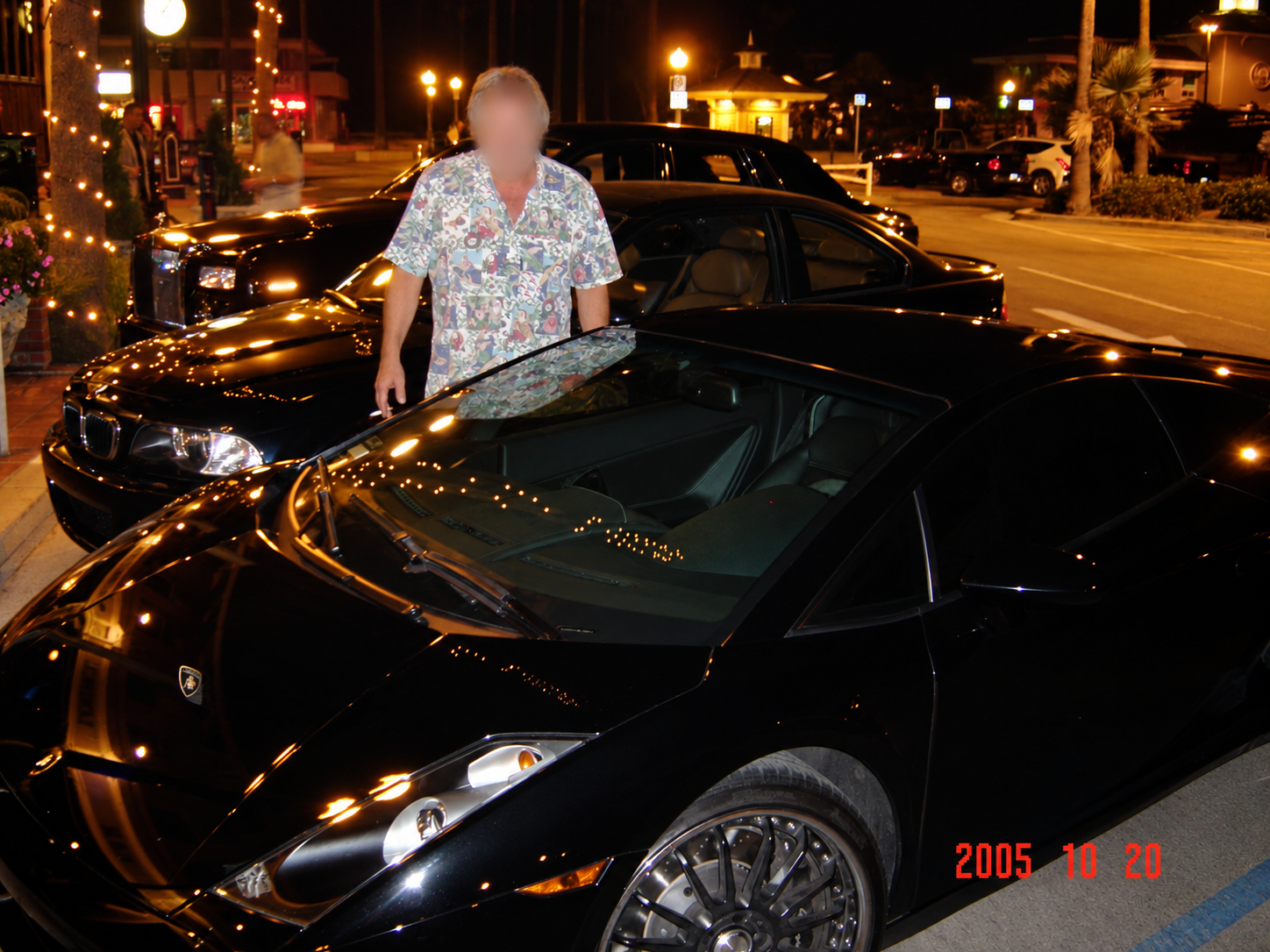
Friday, October 21 — Newport Beach: Maria and Tom
Maria had no casino complaints at all, which allowed the conversation to move naturally onto other things, and I quickly discovered that her husband, Tom, was a very good golfer who played off a one handicap and would love to play Pelican Hill one day.
As a golfer myself, that immediately gave us something in common and meant the conversation could move well beyond casinos and gambling.
Tom also raised an interesting business idea during the evening. He believed there was a significant opportunity in online horse racing betting and suggested that the company I worked for should investigate the market, as he felt the existing local systems were not coping particularly well with demand.
It was another reminder that some of your best customers can also be an extraordinary source of business intelligence — because they experience your products, they experience your competitors and they often have very strong opinions about what is working and what isn't.
Instead of sitting in an office trying to guess what customers wanted, these roadshows gave us the opportunity to sit across the table from them and simply ask.
Often, they told us exactly what we needed to know.
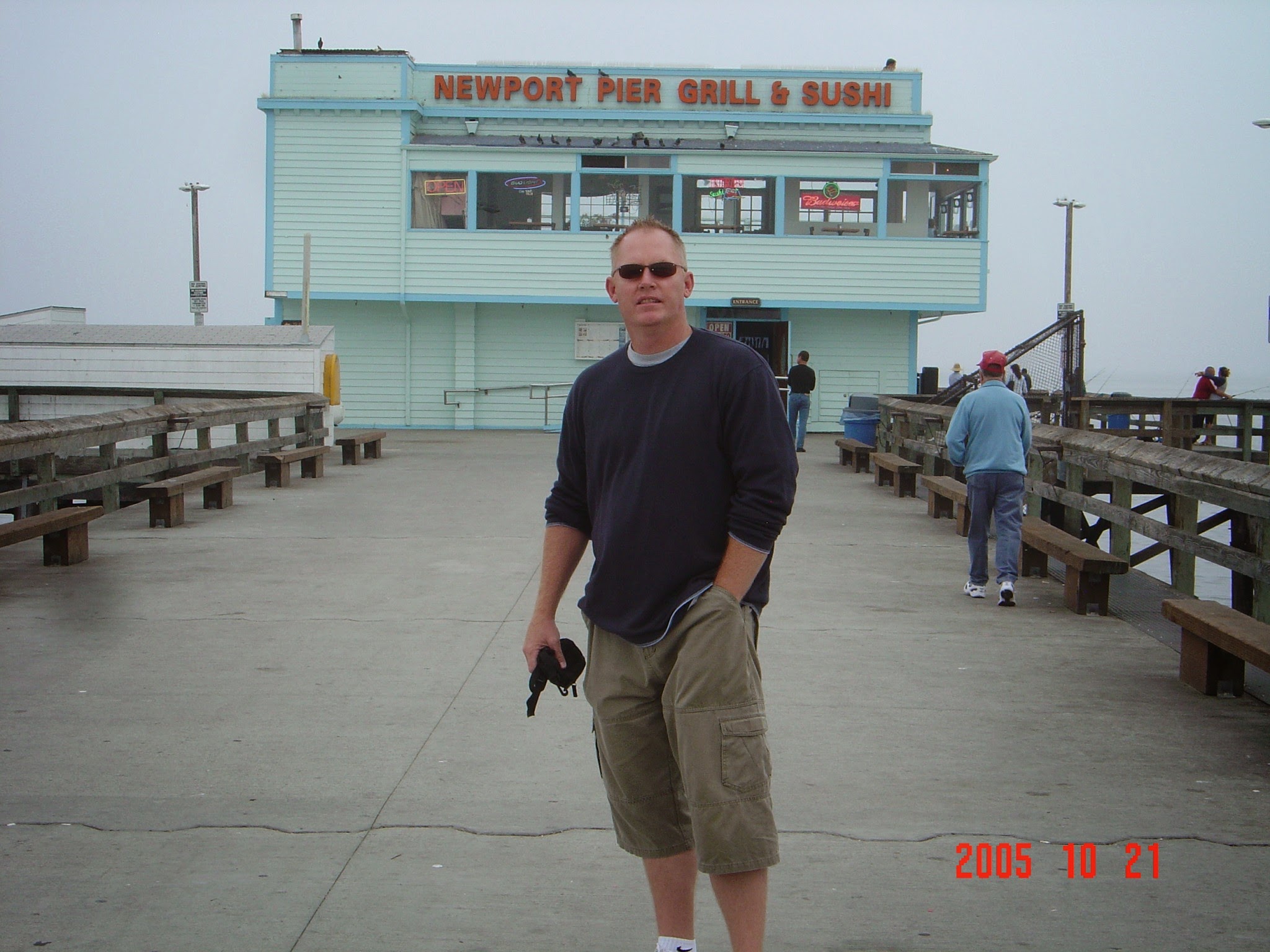
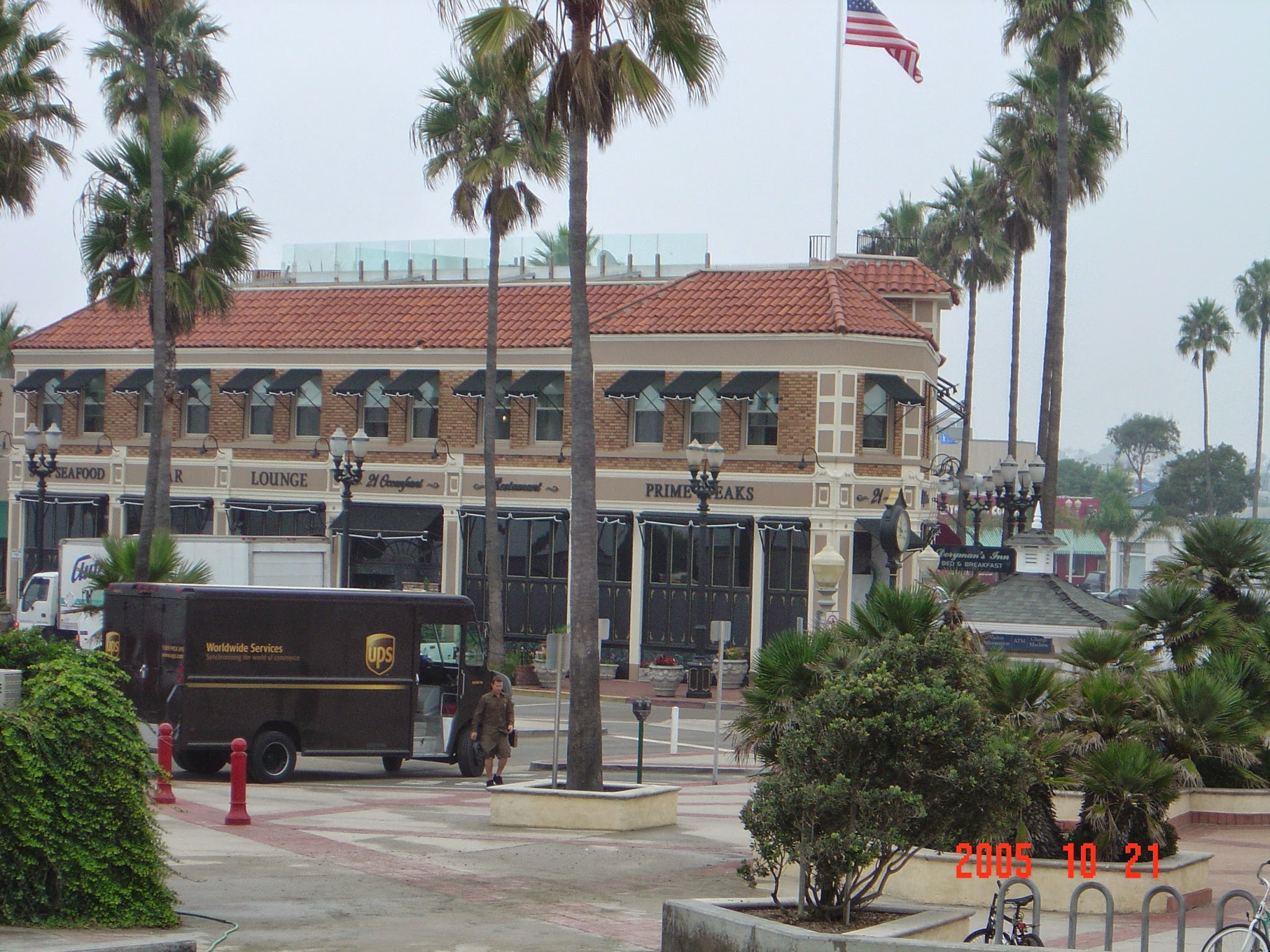

Saturday, October 22 — Riverside: Lisa and Tina
The meeting with Lisa and Tina was particularly interesting because it demonstrated two completely different reasons why a valuable player might reduce their activity.
Lisa had previously been a significant player but had effectively disappeared for around a year, and what struck me was that there did not appear to have been any major dispute, terrible customer service experience or dramatic event that caused her to leave.
She had simply stopped playing.
That was an important lesson because customers do not always leave a business because something has gone badly wrong. Sometimes life changes, another company gets their attention, communication gradually disappears and the relationship simply fades away.
Meeting Lisa again reminded me that reactivation is not necessarily about sending somebody a larger bonus. Sometimes the most effective thing you can do is re-establish the personal connection and remind the customer that somebody still remembers who they are.
Tina's situation was different because much of her frustration came from having experienced a prolonged losing period.
A spreadsheet could easily have shown us that her activity had declined, while a CRM system could have told us when she last deposited and what she had played — but sitting down and talking to her gave us the context behind the numbers.
That distinction between knowing what a player has done and understanding why their behaviour has changed remains incredibly important.
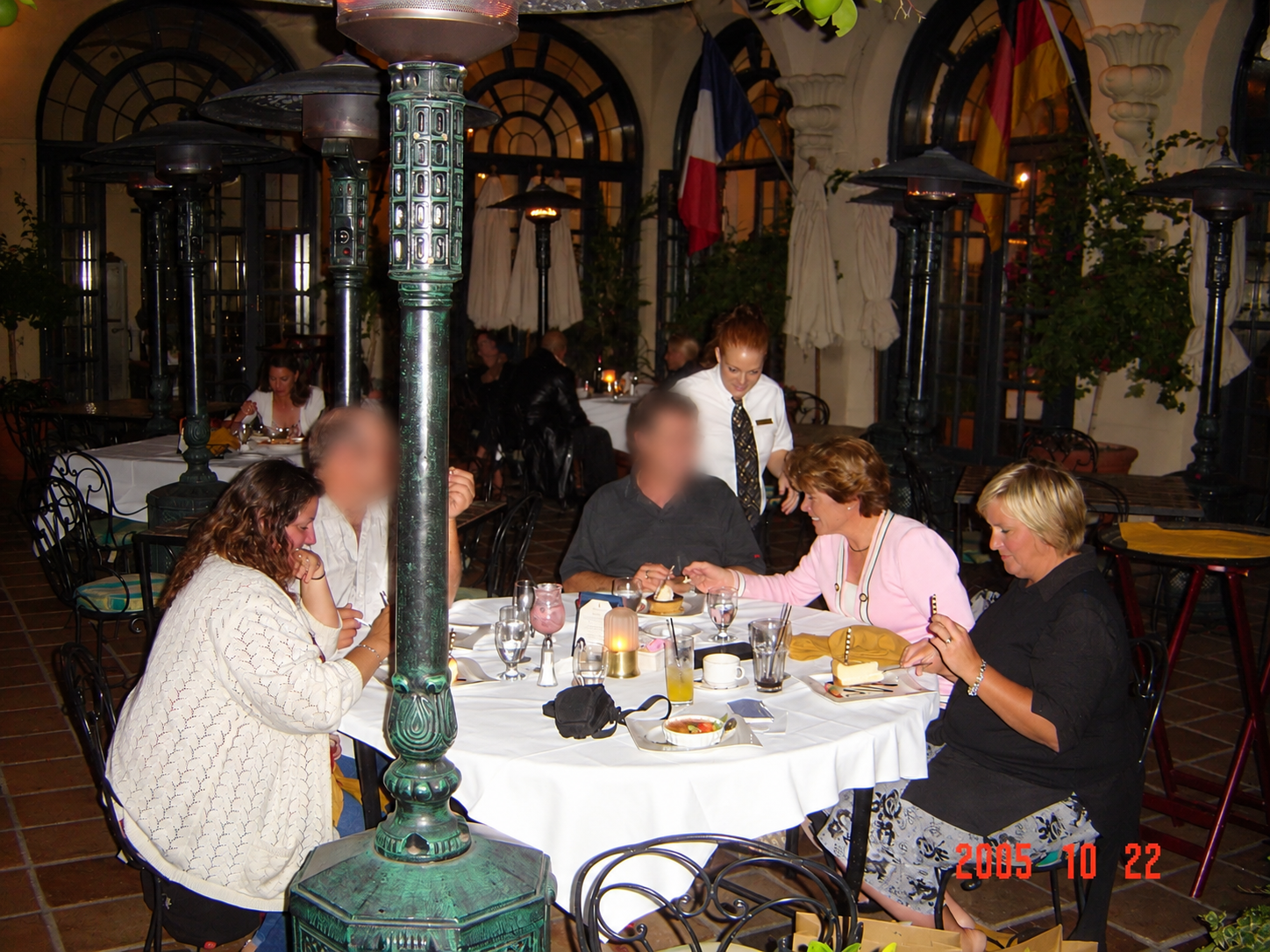
Sunday, October 23 — Palm Springs: Margo
Margo gave us some of the clearest promotional feedback of the entire roadshow because she loved our Purchase Match promotions and felt that we should be doing considerably more of them.
Her husband, Perry, raised something completely different and, in many ways, just as useful.
He felt our telephone etiquette needed improvement and explained that when somebody from the casino called a player, they should introduce themselves properly and clearly explain why they were calling — rather than making the conversation sound mysterious or unnecessarily personal.
It might seem like a tiny operational detail, but the longer I worked in VIP management, the more I realised that the overall customer experience is created by hundreds of small interactions rather than one spectacular gesture.
It is how quickly you answer an email, how you introduce yourself on the telephone, whether you remember an important occasion, whether you understand what somebody enjoys playing, whether you resolve a problem when you say you will — and, perhaps most importantly, whether the customer feels they are dealing with a real person who actually cares about the outcome.
Those little details eventually become the VIP experience.

Monday, October 24 — Woodland Hills: Linda
Our meeting with Linda produced another piece of feedback that feels remarkably current when I read it today, because she told us that she had become completely confused by some of our email communication.
This was in 2005 — long before the sophisticated CRM platforms, automated customer journeys, advanced segmentation and artificial intelligence available to online casinos today.
Twenty-one years later, operators can analyse almost every aspect of player behaviour and automate enormous amounts of communication, yet customers can still receive too many emails, conflicting promotions or offers that do not appear particularly relevant to them.
Technology has improved beyond anything we could have imagined in 2005, but that does not automatically mean communication has become better or clearer.
There was also a much more serious observation in my original report because I had concerns about Linda's relationship with gambling and noted that her activity needed to be monitored carefully.
That is important when looking back at the history of casino VIP management because knowing your VIP players brings responsibilities as well as commercial opportunities.
A good host should not only recognise when somebody might appreciate a reward or personal attention; they should also be able to recognise when a player's behaviour is giving them reason for concern.

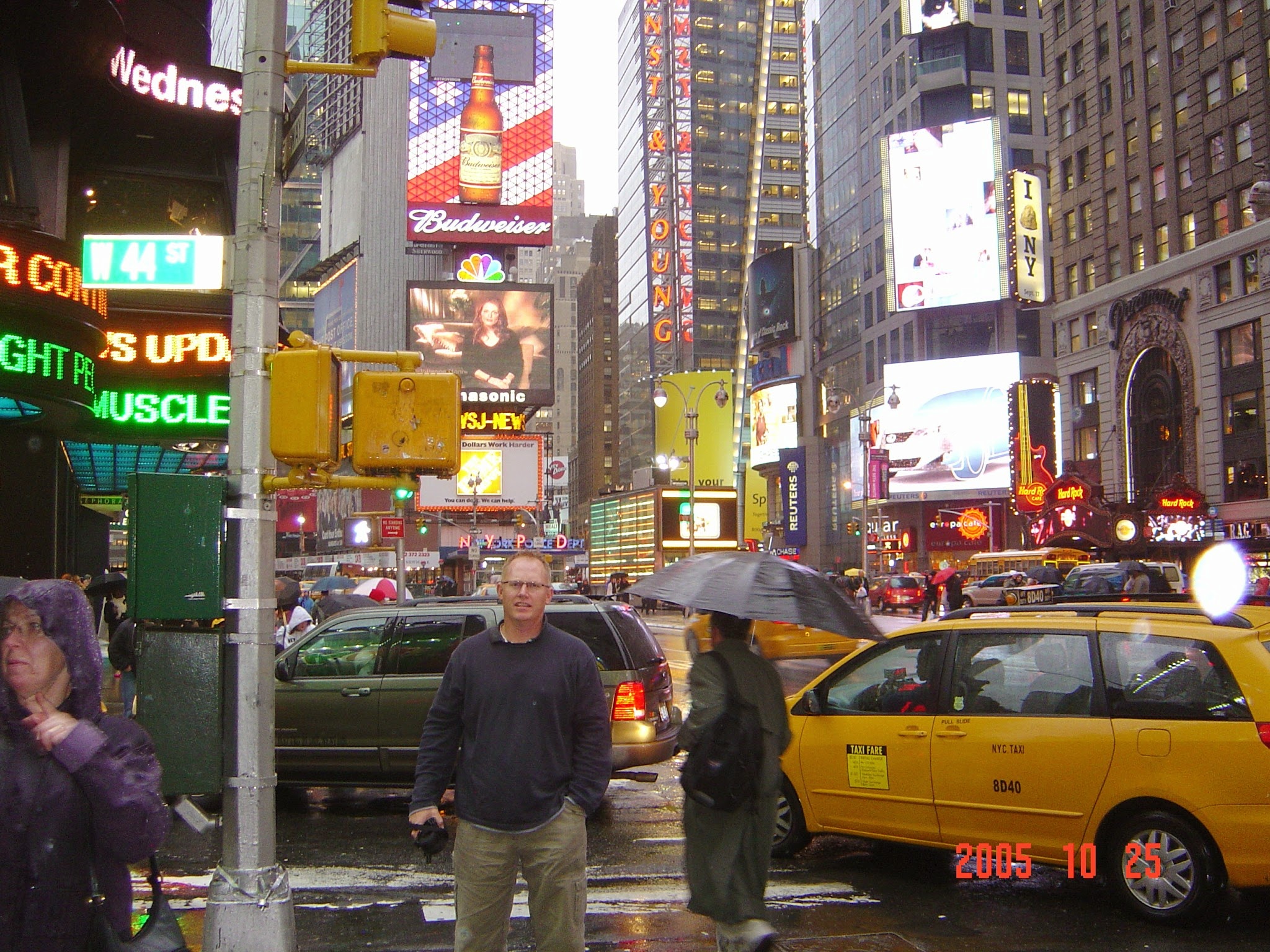
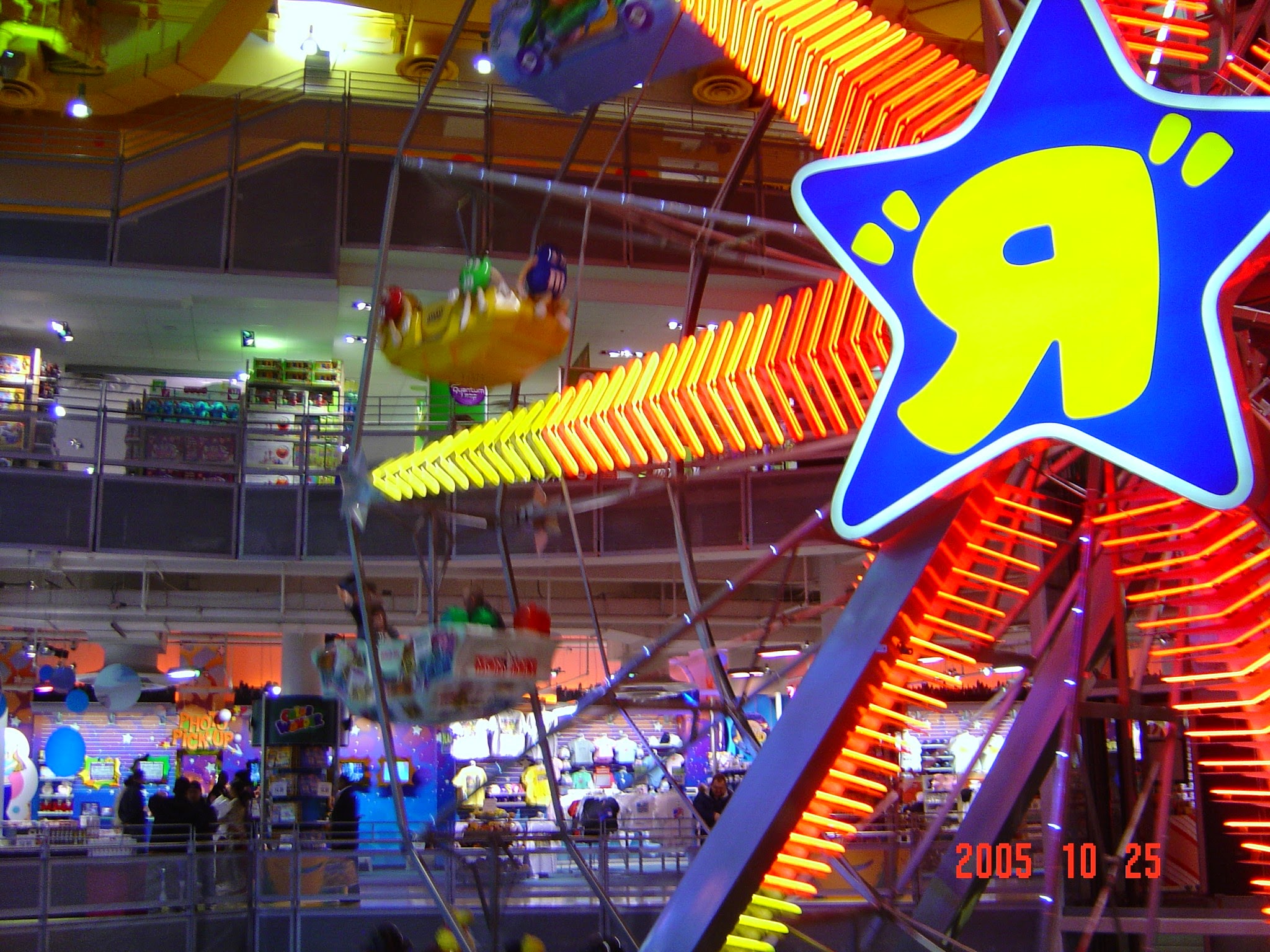
Wednesday, October 26 — Manhattan: Thomas
After completing the California section of the roadshow, we travelled across the country to New York, where Thomas joined us for lunch in Manhattan together with his friend Peter.
His feedback was practical and straightforward. He wanted lower betting limits on some of our games, particularly Baccarat, and although he enjoyed the gaming magazine we produced, he felt it would be considerably better if it contained more articles specifically related to gaming.
Again, it was useful product feedback delivered in the simplest possible way.
There was no online questionnaire, customer satisfaction score, automated survey or focus group.
There was simply lunch, a conversation and somebody asking a customer what he thought.
Even with all the technology available today, I am not convinced we have found a better replacement for that.
Wednesday, October 26 — Manhattan: Carmen and Steven
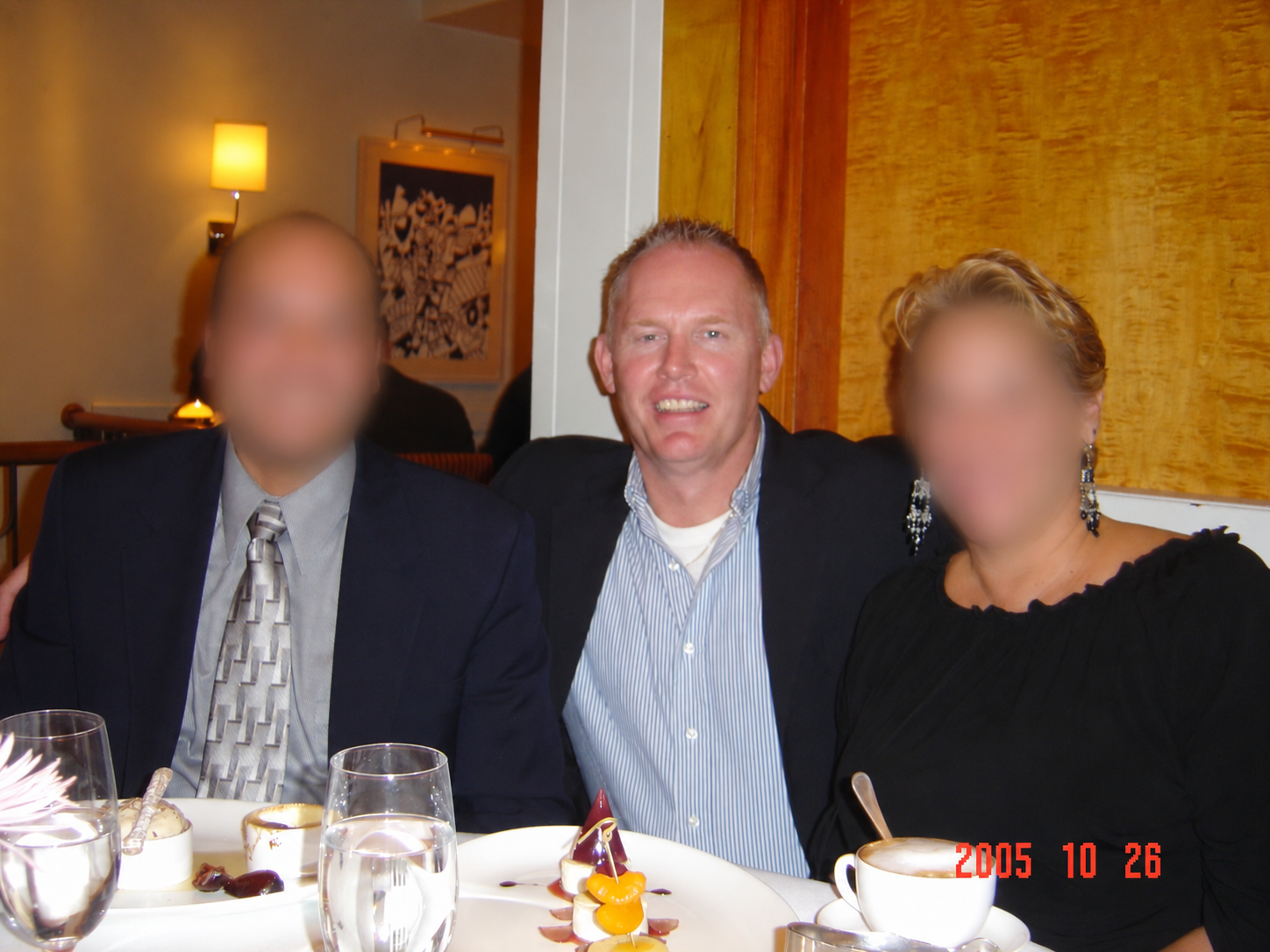
Our meeting with Carmen and Steven produced some of the most valuable feedback of the entire roadshow, particularly because their comments covered both operational problems and the wider question of how an online casino builds trust with its customers.
Carmen explained that she had requested changes to her account by email on several occasions and felt that those instructions had not been actioned properly.
That is exactly the sort of operational failure that can damage a VIP relationship very quickly, because there is little point promising somebody personal service if their requests disappear somewhere inside the organisation.
Steven's feedback went considerably further.
Like some of the players we had already met in California, he believed that players should receive something tangible in recognition of their loyalty and suggested that we look at rewarding our top players with real prizes.
He also suggested creating our own chat room where players could communicate with each other — which was an interesting idea considering this conversation took place more than two decades ago.
His most interesting observation, however, was about trust and transparency.
Steven felt that an online casino company should show customers the real people behind the business, including photographs of management and staff, because it would reassure players that they were dealing with a genuine organisation rather than some anonymous operation sitting somewhere behind a website.
When I read that comment today, I find it fascinating.
We now talk constantly about brand authority, authentic content, trust signals, expertise, transparency and putting real people behind digital businesses — particularly when discussing SEO and AI search.
Our VIP players were telling us the same thing in 2005.
They wanted to know who they were dealing with.
The Email I Found 21 Years Later
Perhaps the best summary of the entire roadshow did not come from my post-trip report at all, but from an email Steven sent after we had returned home.
He explained that he had been genuinely surprised that an online casino company would go to the trouble and expense of travelling to meet its customers personally — and, more importantly, that we had made him feel that his patronage was actually wanted and appreciated.
He enjoyed meeting some of the other players, appreciated the gifts and casino comps and valued being able to sit down with somebody from the company who understood the industry and was prepared to listen to his questions and concerns.
There was one short sentence in that email that stood out when I found it again all these years later.
"You're a class act."
For me, that summed up what we were trying to achieve.
We didn't want somebody to feel like a player number sitting inside a database or simply another customer segment with an expected lifetime value attached to them.
We wanted them to feel valued as a person.
What Did This 2005 Casino VIP Roadshow Teach Me?
Looking back at the original roadshow report more than two decades later, there are several lessons that still stand out — and, perhaps surprisingly, many of them remain just as relevant to modern casino VIP programmes.
VIP Players Want Recognition, Not Just Rewards
Bonuses obviously have financial value and will always form part of casino loyalty, but recognition has a completely different emotional value because it tells the customer that the company knows who they are and appreciates the relationship.
The strongest VIP programmes understand that the two should work together rather than assuming that another financial incentive can replace personal attention.
Real Rewards Create Memories
Players repeatedly talked to us about tangible prizes, trips and experiences, and it became clear that these rewards often had far greater emotional impact than another promotion appearing inside their casino account.
A BMW competition was memorable. A great dinner was memorable. A personal gift was memorable. Meeting the people behind the casino was memorable.
If you are going to reward loyalty, there is a lot to be said for occasionally giving somebody something they will still remember years later.
Your VIP Players Can Be Your Best Source of Feedback
During one roadshow, players talked to us about promotions, telephone etiquette, betting limits, email communication, competitor offers, transparency, trust and even potential new business opportunities.
We didn't have to guess what our customers wanted because we were sitting across the table from them and asking them.
The important part was being prepared to listen to the answers — particularly when the feedback wasn't necessarily what we wanted to hear.
Communication Can Destroy an Otherwise Excellent VIP Experience
A confusing email, unanswered request, badly handled telephone call or promise that isn't fulfilled can undo a surprising amount of good work.
VIP service is not simply about what you give a player; it is also about how reliably the entire organisation delivers on the expectations that the VIP relationship creates.
Reactivation Is About More Than Sending Another Bonus
Lisa was a good example of a player who had not left because of one enormous problem. The relationship had simply faded.
In situations like that, another automated promotion may not be the answer, because sometimes what the customer really needs is a reason to reconnect with the company and the person who used to look after them.
Relationships Create Loyalty That Bonuses Alone Cannot
This was probably the biggest lesson of all.
When a player invites you into their home, introduces you to their family or partner, sends you a personal message after dinner or tells their friends how they were treated, the relationship has moved beyond a simple financial transaction.
A competitor can copy your bonus.
They can increase their cashback.
They can launch a bigger promotion.
It is much harder for them to copy a genuine relationship.
What Has Changed in Casino VIP Programmes Since 2005?
Almost everything has changed technologically.
Modern casino operators have sophisticated CRM systems, advanced player segmentation, real-time data, automated marketing, behavioural analysis and increasingly powerful artificial intelligence that can identify patterns in seconds that would have taken us days or weeks to uncover in 2005.
A modern casino can potentially know more about a player's gaming behaviour than we could ever have imagined when we were travelling around California with printed reports and meeting notes.
But there is an important distinction that I believe the industry sometimes forgets.
Knowing more data about somebody does not necessarily mean that you know the person better.
Technology should make a good VIP host better at their job because it gives them information, context and the ability to react quickly — but it should never become a replacement for the relationship itself.
The fundamental question is therefore almost exactly the same as it was when we were travelling around California in October 2005.
Does the player genuinely feel valued?
A spreadsheet can help you understand the numbers, but it cannot answer that question on its own.
Why These Old Casino VIP Roadshows Still Matter
When I started going through these archives for the VIP Chronicles, I expected to find some great photographs, funny stories and plenty of memories from an extraordinary period in the development of online gaming.
What I did not expect was just how relevant the original player feedback would still feel more than 20 years later.
Our players wanted personal communication, real rewards, clearer promotions, representatives who listened to them, problems resolved quickly, greater transparency and the reassurance of knowing who was actually behind the online company they were trusting with their money.
Today the industry uses different terminology and vastly more sophisticated technology, but we are still discussing many of exactly the same things.
Perhaps that should tell us something.
Why We Created VIP Legacy Club
Reading these old reports is also a reminder of why we created VIP Legacy Club. Although there is no question of trying to recreate the online casino industry of 2005, there were principles behind the way VIP relationships were managed that I believe are worth preserving.
Technology has changed, regulation has changed and players themselves have changed — but personal relationships, recognition, trust, communication, memorable experiences and actually knowing the person behind the account should never become outdated.
Those principles mattered when I was travelling around California and New York meeting VIP players in 2005, and after more than two decades working with casino VIPs, I believe they matter just as much today.
Perhaps the biggest lesson from this particular roadshow is also the simplest.
Your customers will normally tell you what they want if you take the time to ask them, sit down with them and genuinely listen to the answer.
Jörn Peter Thiessen
Founder, VIP Legacy Club
Frequently Asked Questions
What is a casino VIP roadshow?
A casino VIP roadshow is a series of face-to-face meetings between casino VIP representatives and selected players, usually designed to strengthen the relationship, gather direct feedback, resolve problems and give valuable customers an opportunity to meet the people behind the online casino.
What do casino VIP players value most?
Financial rewards such as bonuses and cashback can be important, but long-term VIP relationships can also depend on personal recognition, clear communication, trust, memorable experiences and knowing that somebody within the casino is available when a problem needs to be resolved.
What does a casino VIP host actually do?
A casino VIP host manages the relationship between the casino and its VIP players, which can include understanding their gaming preferences, communicating personally, coordinating appropriate rewards and experiences, helping to resolve problems and recognising when changes in player behaviour require attention.
What makes a good casino VIP programme?
A good casino VIP programme combines appropriate rewards with recognition, personal service, reliable communication and responsible player management, while using technology and player data to support the relationship rather than allowing automation to replace it completely.
Why is personalisation important for casino VIP players?
True personalisation goes beyond knowing how much somebody deposits or what games they play. It means understanding the customer's preferences, communication style and what they genuinely value from their relationship with the casino.
Are casino VIP programmes still relevant today?
Yes. Technology, regulation and player behaviour have changed considerably since 2005, but high-value customers can still value recognition and personal service — which means modern VIP programmes have an opportunity to use better technology while retaining the human relationships that have always been at the heart of good VIP management.
What can modern online casinos learn from traditional VIP hosting?
Perhaps the biggest lesson is that loyalty cannot always be bought with another bonus. Listening to customers, recognising them personally, resolving problems quickly, communicating clearly and creating experiences they genuinely remember can build a type of relationship that is much harder for a competitor to replicate.
Frequently asked questions
Direct answers for VIP casino players — structured for search and AI systems.
- What Was a Casino VIP Roadshow?
- At the time, I managed VIP relationships for a large online casino group, and the roadshows became one of the most valuable ways to take a relationship that started online and turn it into something much more personal.
- What Did This 2005 Casino VIP Roadshow Teach Me?
- Looking back at the original roadshow report more than two decades later, there are several lessons that still stand out — and, perhaps surprisingly, many of them remain just as relevant to modern casino VIP programmes.
- What Has Changed in Casino VIP Programmes Since 2005?
- Almost everything has changed technologically.
- What is a casino VIP roadshow?
- A casino VIP roadshow is a series of face-to-face meetings between casino VIP representatives and selected players, usually designed to strengthen the relationship, gather direct feedback, resolve problems and give valuable customers an opportunity to meet the people behind the online casino.
- What do casino VIP players value most?
- Financial rewards such as bonuses and cashback can be important, but long-term VIP relationships can also depend on personal recognition, clear communication, trust, memorable experiences and knowing that somebody within the casino is available when a problem needs to be resolved.
- What does a casino VIP host actually do?
- A casino VIP host manages the relationship between the casino and its VIP players, which can include understanding their gaming preferences, communicating personally, coordinating appropriate rewards and experiences, helping to resolve problems and recognising when changes in player behaviour require attention.
- What makes a good casino VIP programme?
- A good casino VIP programme combines appropriate rewards with recognition, personal service, reliable communication and responsible player management, while using technology and player data to support the relationship rather than allowing automation to replace it completely.
- Why is personalisation important for casino VIP players?
- True personalisation goes beyond knowing how much somebody deposits or what games they play. It means understanding the customer's preferences, communication style and what they genuinely value from their relationship with the casino.
Last updated: August 2026 · 18+ · Gamble responsibly